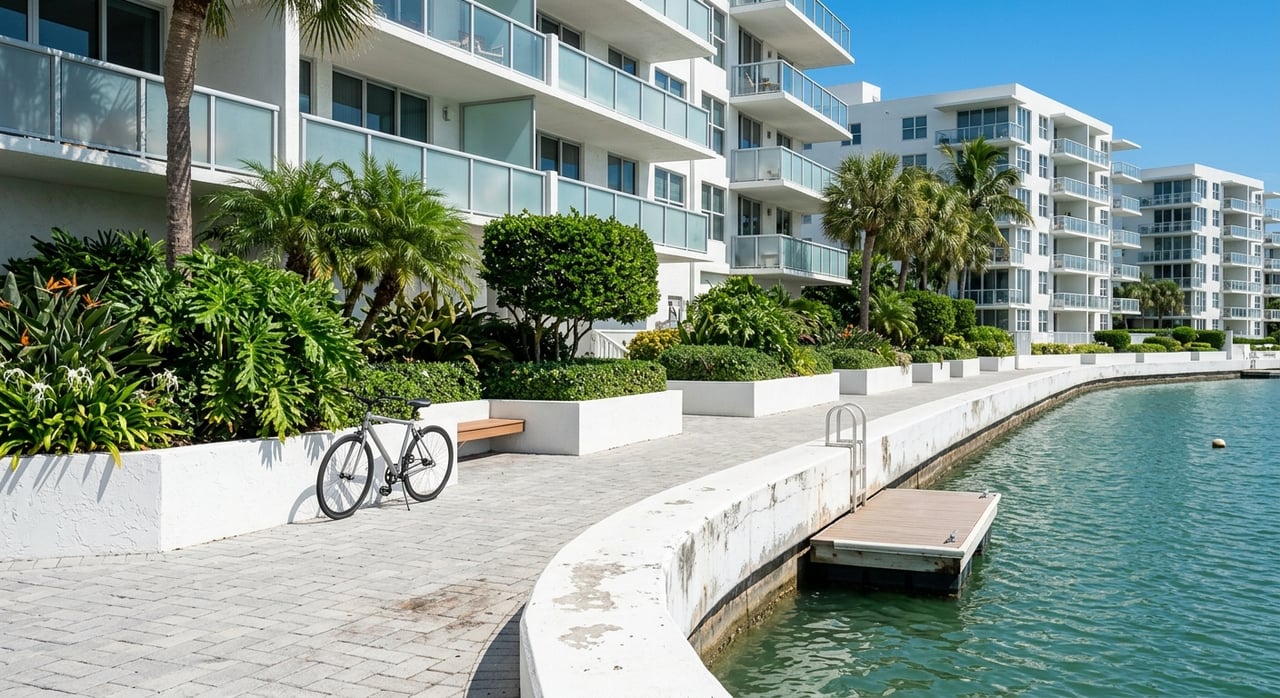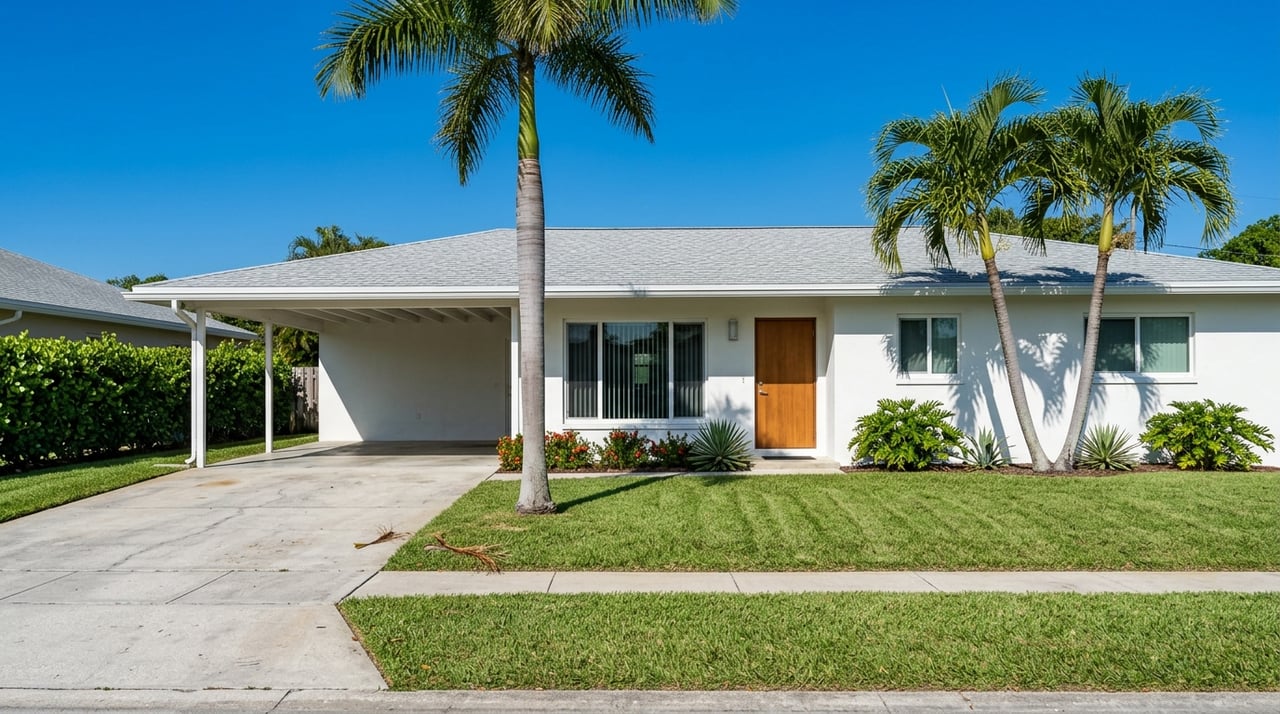
Dreaming of trading your Oakland Park address for a place closer to the sand? It can be an exciting move, but it also comes with more moving parts than many sellers expect. If you want to sell inland and buy near the beach without creating extra stress, the key is to plan both sides of the move together from the start. Let’s dive in.
Why This Move Takes Strategy
Selling in Oakland Park and moving closer to the beach is not just about changing zip codes. It is usually a shift in property type, timeline, and paperwork too. Many beach-adjacent options in Greater Fort Lauderdale involve condos or co-ops, which means association documents, building rules, and extra review periods can shape your schedule.
That matters because your Oakland Park sale and your next purchase may move at very different speeds. A detached home sale can feel more straightforward, while a beach condo or co-op often requires deeper document review before you can close with confidence. If you know that upfront, you can build a smarter plan.
Oakland Park vs Beach Pricing
Oakland Park still sits below many nearby coastal markets based on late spring 2026 snapshots, but the gap is not the same in every case. Zillow reported a median sale price of $395,000 in Oakland Park in April 2026, while Realtor.com reported a median listing price of $396,000 with about 76 days on market.
In nearby beach-oriented areas, Redfin reported Fort Lauderdale at a $582,000 median sale price, Galt Mile at $480,000, and Lauderdale-by-the-Sea at $474,000 in the same general period. Realtor.com also described Fort Lauderdale as a buyer’s market in May 2026 and said Lauderdale-by-the-Sea homes sold for an average of 4.73% below asking.
These numbers are helpful for direction, but they are not perfect one-to-one comparisons. Different sources track different property mixes and use different methods. For your move, the real takeaway is simple: your budget, target building, and property type will shape what “closer to the beach” really costs.
Prepare Your Oakland Park Home First
Before you get attached to the next place, make sure your current home is ready to compete. Buyers notice presentation right away, and small issues can affect both price and timing. A clean, calm, move-in-ready look usually matters more than fancy upgrades.
The basics still do the heavy lifting:
- Declutter each room
- Deep clean the home
- Clear counters and surfaces
- Handle obvious minor repairs
- Make the layout easy to walk through during showings
That practical approach is backed by national staging data. In NAR’s 2025 staging report, 29% of agents said staging increased the dollar value offered by 1% to 10%, and 49% said staging reduced time on market. The living room, primary bedroom, dining room, and kitchen stood out as the most important spaces.
Check Permit History Early
In Oakland Park, one smart pre-list step is reviewing permit history before your home goes live. The city notes that many permits are submitted electronically, permit history can be searched by address, and permits are required for a wide range of construction, remodeling, repair, and demolition work.
If you added a patio cover, updated electrical work, or made other improvements in the past, it helps to know what is on record. That way, if a buyer asks questions, you are ready with clear answers instead of scrambling late in the transaction.
Build a Realistic Timeline
A beach move works best when you avoid assuming everything will line up perfectly. Selling one home and buying another at the same time can sound neat on paper, but closings often move on different schedules.
That is especially true if your next purchase is a condo or co-op. Florida law gives buyers of applicable condo and co-op units a 7-day cancellation window after receiving required association documents, including the current milestone inspection summary and the most recent structural integrity reserve study when required. In plain terms, document timing can directly affect your closing calendar.
Plan for Overlap
Instead of counting on a same-day switch, keep backup options in mind. In real-world moves, that can mean temporary housing, short-term storage, or allowing for a brief overlap between your sale and your purchase.
Some sellers also negotiate a rent-back if the buyer agrees. The larger point is to protect your flexibility. A little breathing room can make the whole move feel much more manageable.
Expect More Due Diligence Near the Beach
If you are moving from a typical Oakland Park house into a beach condo or co-op, the biggest adjustment may be the amount of documentation involved. Florida treats condominiums under Chapter 718 and cooperatives under Chapter 719, and those purchases often involve more association review than detached homes.
For many coastal buildings, especially older ones, buyers should expect to review building-specific materials carefully. This includes inspection-related information, reserve-study materials when applicable, and association rules that can affect ownership and occupancy.
Why Older Coastal Buildings Need Careful Review
For buildings that are three habitable stories or more, Florida requires milestone inspections by the 30th year and every 10 years after. Structural integrity reserve studies are also required on a 10-year cycle for covered condo and co-op buildings.
The statutory reserve study covers key components such as:
- Roof
- Structure
- Fireproofing
- Plumbing
- Electrical systems
- Waterproofing
- Windows and exterior doors
This does not mean you should avoid older coastal buildings. It means you should review the building’s documents early and thoroughly so you understand the condition, obligations, and timing before you commit.
Association Records Can Affect Your Schedule
The required paperwork can shape both contract terms and closing dates. Florida law requires delivery of current inspection and reserve-study materials when applicable, and buyers can access association records within 10 working days after a written request.
If you are targeting a Galt Mile co-op or a Lauderdale-by-the-Sea condo, expect more review time than you would in a standard single-family purchase. That extra diligence can help you make a more informed move.
Flood Review Matters Too
Moving closer to the water also means you should review flood exposure early in the process. Broward County says its current FEMA flood maps became effective July 31, 2024 and encourages residents and businesses to review them.
Flood risk can change by block, building, or even parcel. Two homes that feel close together on a map may not share the same flood considerations. Looking at this early helps you compare options with clearer expectations.
Beach Submarkets Move Differently
One common mistake is assuming the beach market behaves just like the inland market. It often does not. Pricing, days on market, negotiation patterns, and buyer activity can vary by neighborhood and by building.
For example, Redfin’s Galt Mile neighborhood page showed most homes staying on market 123 days and receiving 1 offer. That is a useful reminder that some beachside submarkets move at their own pace, even when they are only a short drive from Oakland Park.
This is why your move should be based on the actual target area, not broad assumptions about South Florida. A local, building-aware strategy can help you avoid overpricing your sale, underestimating your next purchase, or misjudging the timing between the two.
A Simple Two-Side Plan
If you want this move to feel organized, focus on both sides at once.
On the sale side
- Prepare your Oakland Park home for showings
- Review permit history early
- Price with current local conditions in mind
- Build flexibility into your move-out timeline
On the purchase side
- Narrow down your beach target areas and property type
- Expect condo or co-op document review
- Review inspection and reserve-study materials early when applicable
- Check flood-map information before you lock in a choice
- Allow extra time for association-related steps
When you look at the move this way, it becomes less overwhelming. Instead of reacting to surprises, you can make decisions in the right order.
Why Local Co-op Knowledge Helps
If your next chapter points toward places like Galt Mile or Coral Ridge Towers, co-op experience becomes especially valuable. Co-op transactions can have building-specific procedures, board requirements, and timeline details that are easy to underestimate if you have only bought or sold detached homes before.
That is where a process-oriented approach makes a difference. Clear communication, early document collection, and practical timeline planning can help reduce stress and keep your move on track.
If you are thinking about selling in Oakland Park so you can move closer to the beach, Steve Gray can help you build a plan that fits both your sale and your next purchase.
FAQs
What should you do first when selling in Oakland Park to move closer to the beach?
- Start by preparing your Oakland Park home for market, reviewing permit history, and mapping out your purchase goals so your sale timeline supports your next move.
How do Oakland Park prices compare with beach-area prices in 2026?
- Late spring 2026 data showed Oakland Park around $395,000 to $396,000, while Fort Lauderdale, Galt Mile, and Lauderdale-by-the-Sea generally tracked higher, though exact comparisons vary by source and property type.
Why do beach condos and co-ops take more time to buy?
- Beach-adjacent condos and co-ops often involve association documents, inspection summaries, reserve-study materials, and building rules that require extra review before closing.
What Florida documents matter when buying a beach condo or co-op?
- For applicable properties, buyers should expect required association documents that may include current milestone inspection summaries and the most recent structural integrity reserve study.
How can flood maps affect a move closer to the beach in Broward County?
- Flood exposure can vary by block, building, or parcel, so reviewing the current Broward County flood-map information early can help you compare homes with better clarity.
Can you close your Oakland Park sale and beach purchase on the same day?
- It is possible, but you should not count on it. Many movers do better with a backup plan such as temporary housing, storage, or a short overlap period.