If your ideal South Florida routine includes grabbing coffee, heading to a park, stopping by the library, and meeting friends for dinner without always getting in the car, Oakland Park deserves a closer look. The key is knowing where that lifestyle actually works, because this is not a city where every block feels the same on foot. In this guide, you’ll see where walkability is strongest, what kinds of daily trips are realistic, and which home styles best match a more connected lifestyle. Let’s dive in.
Where Oakland Park Feels Most Walkable
Oakland Park is a compact city of about 8 square miles with 31 neighborhoods, but walkability is not spread evenly across the whole city. The strongest on-foot lifestyle is concentrated in a few key pockets rather than across every residential area. That makes location within the city especially important if walking access is high on your list.
The clearest walkable spine is along Main Street and NE 12th Avenue, especially between Oakland Park Boulevard and Park Lane East and NE 38th Street. City planning and redevelopment materials point to this area as a place designed to support living, shopping, gathering, and everyday activity. In practical terms, this is where you are most likely to feel the shift toward a more pedestrian-friendly routine.
Dixie Highway and Oakland Park Boulevard also stand out as important commercial corridors. Downtown design guidance describes Dixie Highway as the district’s main commercial and pedestrian street, with wide sidewalks, active ground-floor uses, and tree canopy. Taken together, these features support a more comfortable walking experience in the downtown core and nearby corridor areas.
Why Oakland Park Is More Node Than Grid
One of the most important things to understand is that Oakland Park reads more like a city of walkable nodes than a uniformly walkable city. You may find a home that is close to parks, events, restaurants, or civic uses, while another part of the city feels much more car-dependent. That difference can shape your day-to-day life more than broad citywide labels ever could.
For many buyers, this is actually good news. It means you can choose between being close to activity or living in a quieter area and driving in when you want to enjoy downtown. The right fit depends on whether you want walking to be part of your daily routine or simply a nice occasional perk.
Parks and Civic Stops Within Reach
For everyday living, parks and civic spaces are some of Oakland Park’s most useful on-foot destinations. These places help create a rhythm to the day and give the walkable core more than just restaurants and shops. They also make the area feel more connected and active.
Jaco Pastorius Park and Community Hub
Jaco Pastorius Park, located at 4000 N Dixie Highway, is one of the city’s most central public spaces. It is ADA accessible and includes benches, jogging space, restrooms, and a walking track. The park’s Main Street promenade also features an arched fountain and nighttime lighting, which adds to its role as a gathering place in the downtown area.
The Oakland Park Library is currently located at the Jaco Pastorius Community Center. That gives the downtown area a practical civic stop that supports true daily-use walkability. If you like the idea of being able to walk to a library visit, community activity, or nearby public space, this part of Oakland Park stands out.
Centennial Park Adds Everyday Recreation
City Centennial Park, at 3900 NE 3rd Avenue, expands the list of nearby public amenities. It includes five pickleball courts, two basketball courts, an accessible playground, family restrooms, a concession stand, and the city’s first splash pad. For buyers who want recreation close to home, this kind of amenity mix can make a big difference.
The city also notes ongoing park improvements across multiple facilities. That reinforces the idea that Oakland Park’s public spaces are not standing still. If you are thinking long term, improving parks can strengthen the appeal of nearby walkable areas over time.
Dining, Events, and Errands on Foot
Main Street is the city’s most visible social corridor for people who want to be out and about without relying on a car for every outing. The area is known for art, local food, drinks, live entertainment, restaurants, and small businesses. That mix gives the district more everyday appeal than a corridor built around just one use.
The city’s events also help show what walkable living can look like here. During Dancing in the Street, Main Street and NE 12th Avenue become a half-mile pedestrian event zone with food trucks and a free trolley serving businesses along Main Street. Events like this highlight how the downtown area is being shaped around public life and street-level activity.
For errands, the experience is more selective. You can reasonably expect easier access to parks, civic stops, events, and some dining in the walkable core, but not every daily need will be a short walk from every address. That is why buyers who care about walkability should focus less on the city as a whole and more on the exact corridor or block they are considering.
Transit That Supports a Car-Lite Routine
If you want a lifestyle that blends walking with public transit, Oakland Park has some important corridors to watch. Broward County Transit identifies Route 72 on Oakland Park Boulevard and Route 50 on Dixie Highway as key transit lines. These routes support movement through some of the same areas that already function as everyday commercial corridors.
There is also a bigger long-term project on the horizon. Broward County’s Oakland Park Boulevard Bus Rapid Transit line is scheduled to open in 2030 along a 15-mile corridor serving Oakland Park. While that does not change your options today, it does point to continued investment in connected movement along one of the city’s main east-west routes.
Homes That Fit a Walkable Lifestyle
Walkable Oakland Park is not tied to one housing type. The city’s homebuyer assistance program includes single-family homes, townhomes, villas, and condominiums, which reflects the broader range of options found across the city. Still, the housing mix near the walkable core tends to look different from the city’s quieter residential areas.
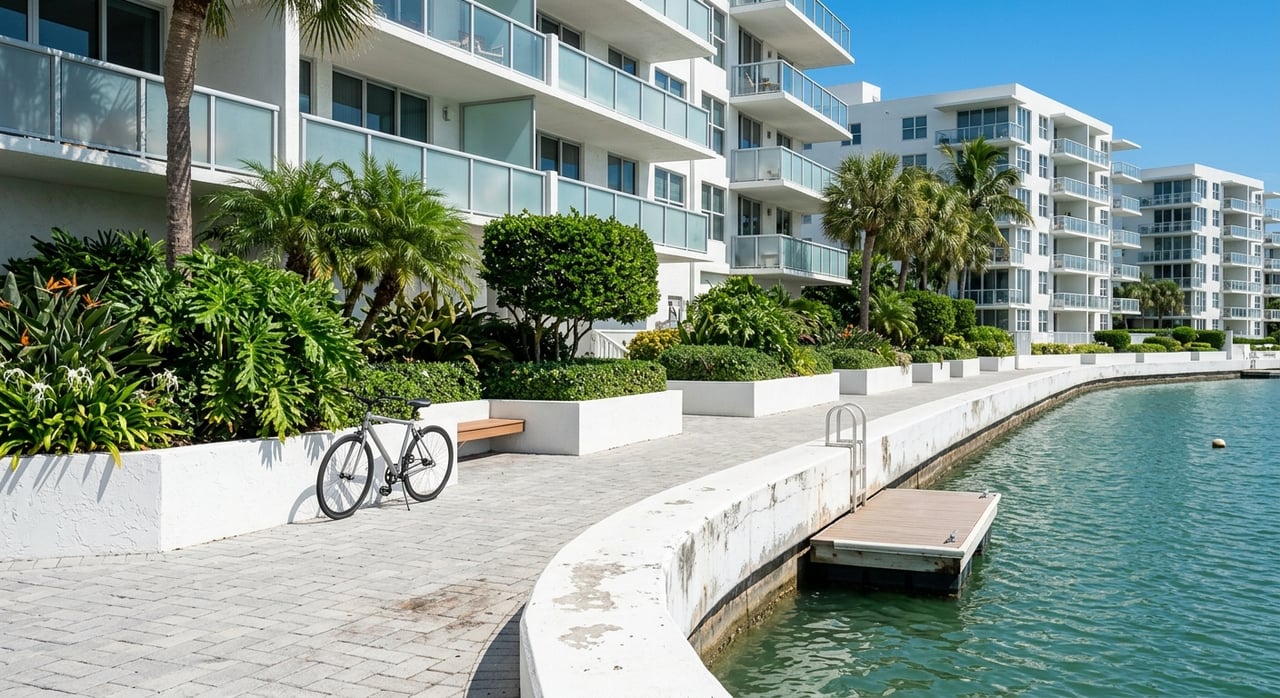
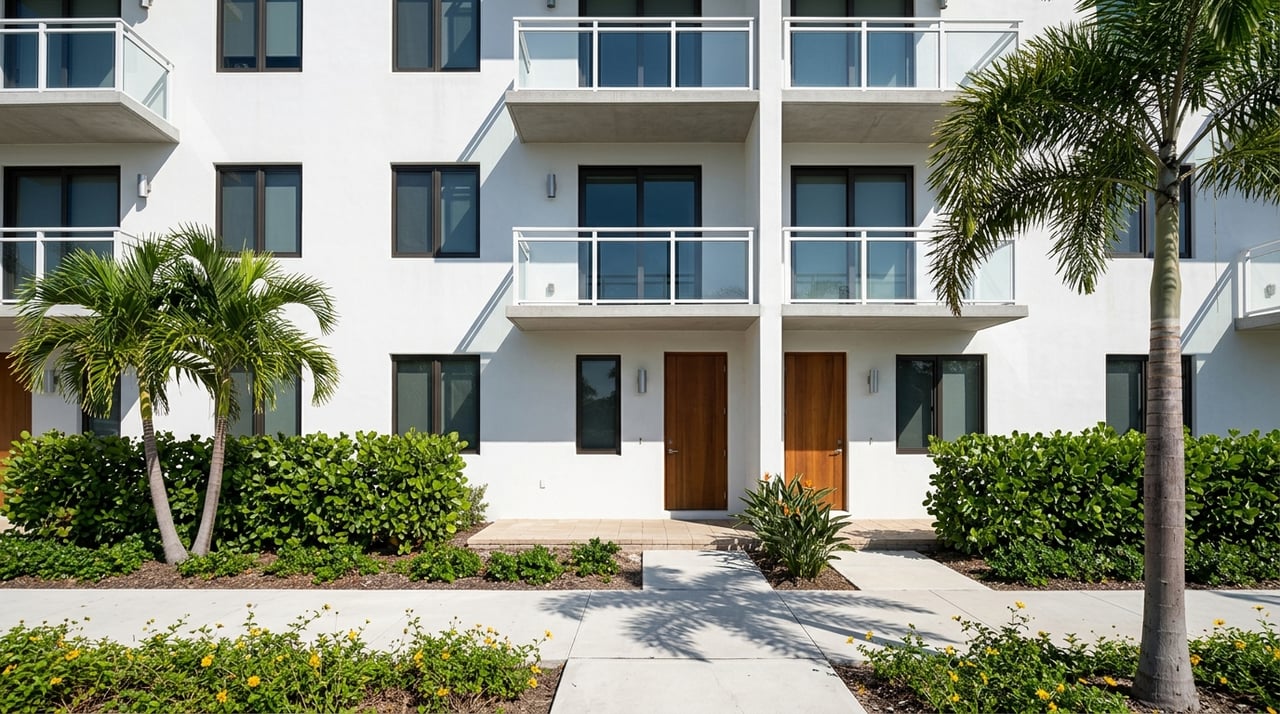
Near downtown, condos, apartments, live-work spaces, and some townhome-style options are the most obvious match for an on-foot lifestyle. The city’s downtown design guidelines include areas such as the North End Townhomes sub-area and Downtown Core West, where residential, retail, commercial, and mixed-use formats are expected to work together. That pattern supports the kind of daily convenience many buyers are looking for.
The Sky Building is already open with 136 units ranging from studios to two-bedroom apartments, along with live-work spaces. Horizon is planned to add 311 residential units plus commercial space and green space downtown. These projects reinforce the expectation that future housing near the core will continue leaning toward multifamily and mixed-use options.
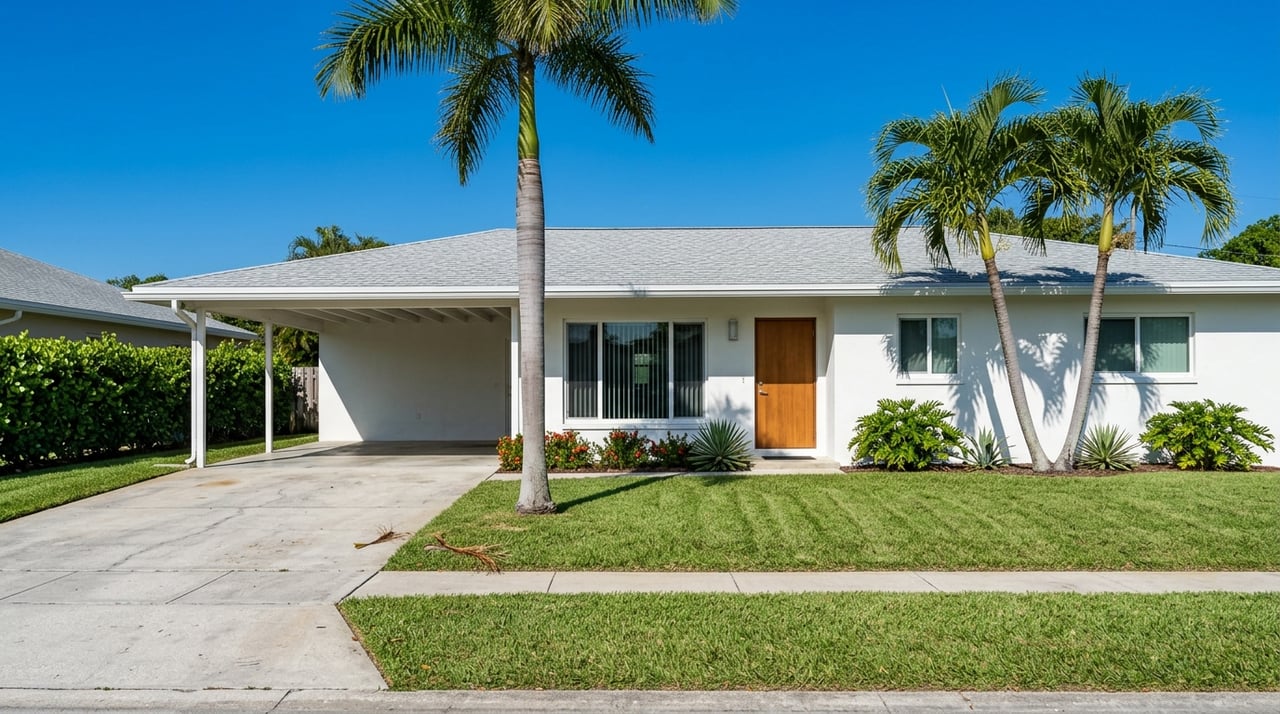
That does not mean detached homes disappear from the picture. Oakland Park still includes single-family residential districts alongside townhome and multifamily districts. For you, that means there is a real choice between being near the walkable core or choosing a more traditional neighborhood setting and driving to the city’s active areas.
What Buyers Should Consider Before Choosing a Location
If walkability matters to you, it helps to define what that word means in your own routine. Some buyers want to walk to dinner and weekend events. Others want practical access to parks, the library, and civic spaces during the week. Those are slightly different goals, and they can point you to different parts of Oakland Park.
It is also smart to look beyond the listing itself. In a city where walkability is concentrated in corridor pockets, the difference of a few blocks can change how often you actually choose to walk. A home near Main Street, Dixie Highway, Oakland Park Boulevard, or the downtown park area may support a much different routine than a home farther away, even if both share an Oakland Park address.
For value-focused buyers, this creates an interesting opportunity. Corridor-adjacent condos, townhomes, and smaller multifamily options may offer the clearest path to a walkable lifestyle without requiring a one-size-fits-all housing choice. If your goal is convenience, simplicity, and a more connected day-to-day experience, those property types are often worth a closer look.
Why Oakland Park Stands Out
Oakland Park’s appeal is not that it offers perfect walkability everywhere. Its appeal is that certain parts of the city are clearly evolving around parks, public space, restaurants, mixed-use housing, and transit. That creates a lifestyle story that feels practical, local, and increasingly relevant for buyers who want more flexibility in how they move through the day.
If you are comparing nearby areas, Oakland Park is worth viewing through a very specific lens. Instead of asking whether the entire city is walkable, ask where walking fits naturally into real daily life. In the right pocket, the answer can be much more compelling than you might expect.
If you want help sorting through Oakland Park options and identifying homes that match your lifestyle goals, reach out to Steve Gray to schedule a free consultation.
FAQs
Is Oakland Park walkable throughout the whole city?
- No. The strongest walkability is concentrated around Main Street, Dixie Highway, Oakland Park Boulevard, and the downtown area near Jaco Pastorius Park and Park Lane East.
What everyday activities can you do on foot in Oakland Park?
- In the walkable core, the easiest trips on foot include visiting parks, going to the library, attending downtown events, and reaching some dining and city-oriented stops.
What home types best support walkable living in Oakland Park?
- Near the core, condos, apartments, live-work units, and some townhomes are the most obvious fit for a walkable lifestyle, while detached homes remain part of the broader city.
Is downtown Oakland Park still changing?
- Yes. Downtown redevelopment, park improvements, and the planned Oakland Park Boulevard Bus Rapid Transit line all point to continued growth in the walkable core.
Which Oakland Park areas matter most for walkability?
- The most important areas to watch are Main Street and NE 12th Avenue, Dixie Highway, Oakland Park Boulevard, and the downtown blocks around Jaco Pastorius Park.