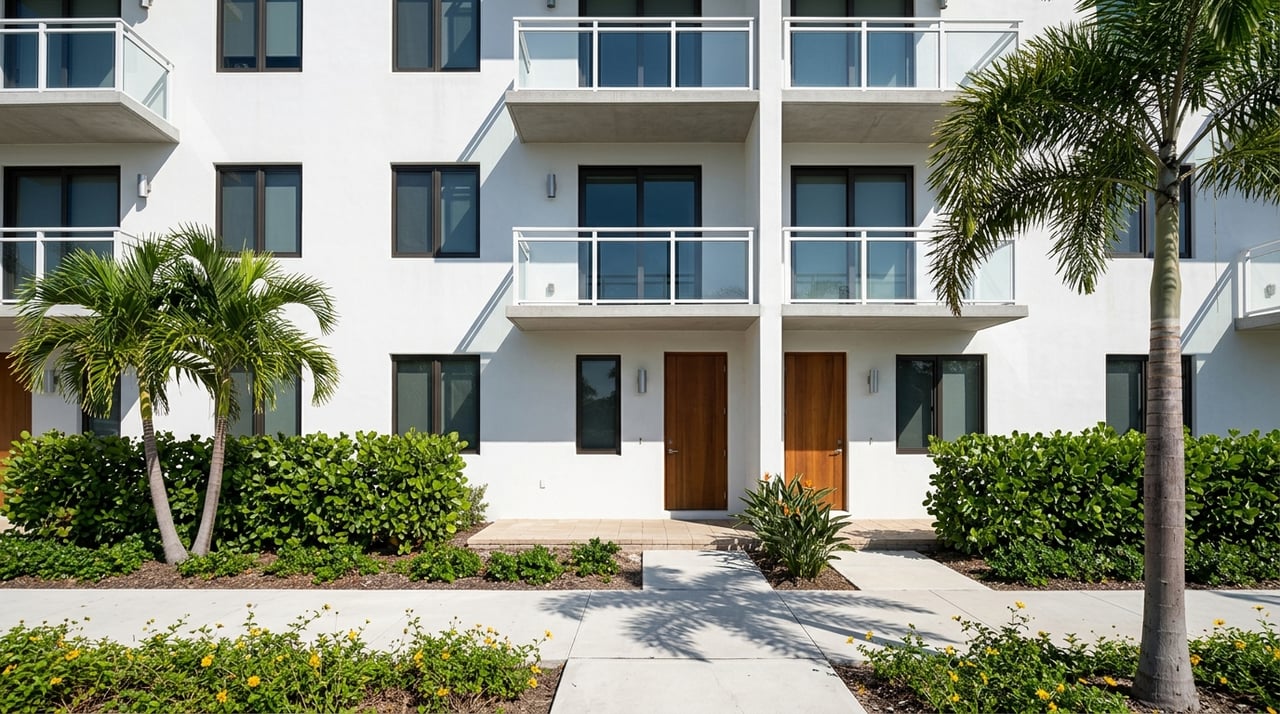
Selling your home in Oakland Park can feel simple at first. Clean up, take photos, put it on the market, right? In reality, the strongest sales often start with smart prep behind the scenes, especially when city code items, permit history, and key paperwork can affect how confidently you list. This guide will walk you through the practical steps that help you get your home market-ready with fewer surprises. Let’s dive in.
Start With Oakland Park Basics
In Oakland Park, pre-listing prep is not only about making your home look appealing. It is also about making sure the property shows well from the street and does not raise avoidable questions about code issues or past work.
The city identifies several common violations that sellers should pay attention to before listing. These include refuse in swales, obstructed swales, inadequate address numerals, improper vehicle storage, tree abuse, and tree removal without a permit. That means your exterior deserves just as much attention as your kitchen, living room, and primary bedroom.
The good news is that many of these issues are straightforward to address early. A little time spent reviewing the front yard, driveway edge, house numbers, and visible clutter can help you present your home with more confidence from day one.
Focus on First-Impression Curb Appeal
Curb appeal matters in every market, but in Oakland Park, some of the most important outdoor fixes are also tied to local rules. If your frontage looks neat, visible, and well maintained, buyers are more likely to feel that the rest of the property has been cared for too.
The city says swales are maintained by the abutting property owner. It also notes that loose gravel and other unbound materials are not allowed in the swale, and residential buildings must have visible address numerals. These are small details, but they can make a big difference before photography, showings, and open-house traffic begin.
Tree work also deserves caution. Oakland Park says trees generally cannot be removed without a tree-removal permit, although some exempt exotic species are listed by the city. If you have been thinking about trimming heavily or removing a tree before listing, it is worth confirming what is allowed before any work starts.
Exterior Items to Check First
- Make sure house numbers are easy to see from the street
- Clear visible clutter from the yard and driveway area
- Check that the swale is maintained and unobstructed
- Remove refuse or debris from front and side exterior areas
- Review parked vehicles for compliance concerns
- Hold off on tree removal until permit requirements are confirmed
Keep Interior Prep Simple and Strategic
Inside the home, your goal is not a full remodel. It is to help buyers see space, function, and cleanliness without distractions. In most cases, that means focusing on presentation rather than taking on major renovation projects.
Start with decluttering. Remove excess furniture, clear crowded surfaces, and put away personal items that make rooms feel smaller or busier than they are. When rooms feel open and easy to understand, buyers can picture how they might use the space.
Next, handle the obvious cosmetic items that make a home feel tired. Deep cleaning, touch-up paint, and minor repairs can go a long way. Small improvements often create a stronger impression than expensive upgrades that do not match the market or your timeline.
Budget-Friendly Interior Prep
- Deep clean every room
- Reduce oversized or extra furniture
- Neutralize strong visual distractions
- Touch up minor cosmetic wear
- Repair small items that suggest neglect
Be Careful With Pre-1978 Homes
If your home was built before 1978, cosmetic prep may require extra care. Sellers of most pre-1978 housing must follow lead-based paint disclosure rules when applicable, including disclosing known lead-based paint hazards, providing the required lead hazard information pamphlet, and using the required contract language before ratification.
There is also an important practical point if you are planning paint or repair work. Florida’s Department of Health notes that the state does not have a separate renovation, repair, and painting program, so pre-1978 sanding, cutting, and demolition must follow the federal EPA renovation, repair, and painting rule. In plain terms, if work could disturb old painted surfaces, ask contractors about lead-safe methods before the job begins.
Verify Permit History Early
One of the smartest things you can do before listing in Oakland Park is confirm your permit history. Buyers may ask about roof work, electrical updates, plumbing changes, window replacements, air conditioning work, or other improvements. If permits were required, you want to know whether they were properly issued and closed out.
Oakland Park’s building department allows permit searches by address. Permits after November 1, 2019 are searched through the current portal, while earlier permits can be searched through the older tool. The city also says permits should generally be approved before work starts, and work done without permits can delay a property transfer and may lead to double permit fees or even demolition.
That makes permit review more than a paperwork exercise. It is part of reducing friction before your home hits the market. If something needs clarification, it is usually better to learn that before a buyer is under contract.
Why Permit Review Matters
- It helps you answer buyer questions clearly
- It can reduce delays during the sale process
- It may reveal old work that still needs attention
- It gives you a cleaner, more confident listing story
Gather Your Records Before You List
A smooth sale often comes down to how organized you are before negotiations begin. When records are easy to locate, you can respond faster to buyer questions, title requests, and association requirements.
A good starting point is Broward County’s Official Records search, which includes documents recorded in the county from January 1, 1978 to the present. This can help you verify recorded property documents and identify anything in the recorded file that may need review before closing.
You should also gather your property-tax and exemption information. Broward County Property Appraiser notes that a homestead exemption does not transfer to a new property, and eligible owners moving to another Florida home may be able to apply for portability of Save Our Homes savings. If a move is part of your next step, having those records in order can make planning easier.
Documents Worth Pulling Together
- Recorded property documents
- Permit records for past improvements
- Property-tax information
- Homestead exemption records
- Utility, repair, or service records you may want to reference
Prepare HOA or Condo Paperwork Early
If your Oakland Park property is in an HOA or condominium, early document prep matters even more. Association paperwork can take time, and waiting too long can create stress right when you want your listing to gain momentum.
Florida law requires HOA estoppel certificates to be issued within 10 business days after request. Condo resale purchasers are also entitled, at the seller’s expense, to current copies of key association documents before contract execution, including the declaration, articles of incorporation, bylaws, rules, financial information, and the FAQ document.
A practical way to stay ahead is to assemble the basics now. Have the association name, manager contact information, monthly fee amount, and any special-assessment or violation history ready for your agent. That keeps communication cleaner and helps avoid last-minute scrambling.
Follow a Simple Oakland Park Seller Checklist
The best pre-listing plan is usually the clearest one. You do not need to treat your sale like a major construction project. Instead, think of it as a confidence-building process that helps your home show well, answers common questions, and removes avoidable obstacles.
Here is a simple checklist based on what tends to matter most in Oakland Park.
Oakland Park Pre-Listing Checklist
- Declutter and deep clean the interior
- Touch up obvious cosmetic wear
- Check exterior areas for visible code-sensitive issues
- Confirm house numbers are easy to see
- Review swale condition and remove debris or clutter
- Verify permit history for prior work
- Gather recorded property and tax documents
- Assemble HOA or condo paperwork if applicable
- Review lead-disclosure needs if the home was built before 1978
Why This Prep Builds Confidence
When your home is clean, organized, and better documented, the sale process usually feels more manageable. You are not only making the property look better. You are reducing uncertainty for yourself and for potential buyers.
That matters in any market, but especially in a city where frontage condition, permit history, and paperwork can quickly become part of the conversation. The sellers who often feel most confident are the ones who have already handled the basics before the first showing is scheduled.
If you are getting ready to sell in Oakland Park and want a practical, local plan, Steve Gray can help you prepare your home, organize the details, and move forward with a clear strategy.
FAQs
What should sellers fix before listing a home in Oakland Park?
- Sellers in Oakland Park should focus first on decluttering, deep cleaning, touch-up repairs, visible exterior upkeep, swale maintenance, address numerals, permit history, and key paperwork.
Why do permit records matter when selling a home in Oakland Park?
- Permit records matter because unpermitted or incomplete work can delay a property transfer, create buyer concerns, and lead to added costs or corrective steps.
What exterior code issues should Oakland Park sellers check before listing?
- Oakland Park sellers should review swales, visible house numbers, yard clutter, vehicle storage issues, and any tree work that may require city approval.
What documents should homeowners gather before selling in Broward County?
- Homeowners should gather recorded property documents, permit records, property-tax and exemption information, and any association paperwork that applies to the property.
What should sellers of pre-1978 homes know before doing cosmetic work?
- Sellers of most pre-1978 homes should review lead-based paint disclosure requirements and make sure any sanding, cutting, or demolition work is handled with lead-safe methods in mind.