Dreaming about waking up near the ocean, grabbing coffee with a sea breeze in the air, and ending your day with a walk by the pier? Beachside living in Pompano Beach can offer exactly that, but it helps to know what daily life really looks like before you buy or plan a move. If you want a clear, practical look at the lifestyle, the property mix, and the ownership details that matter most, you are in the right place. Let’s dive in.
Why Pompano Beach Feels Different
Pompano Beach’s shoreline is more than just sand and surf. The city describes the beachside core as a three-mile shoreline with a redeveloped pier district, restored dunes, and a growing mix of restaurants, retail, parks, and waterfront access points.
That mix shapes the day-to-day experience. Near the ocean, you will find a setting that feels active and walkable, with condos, mixed-use spaces, dining, and public gathering spots all playing a role. Just inland, the beach corridor shifts into older commercial areas and redevelopment sites, so the vibe can change quickly from block to block.
Beach Access and Daily Convenience
One of the biggest perks of living near the beach in Pompano is how easy it is to actually use it. The city’s public beach is open 365 days a year, and the guarded swimming area operates seven days a week from 9:00 a.m. to 4:45 p.m.
The beach also includes practical amenities that make regular visits easier. You have restrooms, showers, picnic shelters and tables, barbecue grills, and a children’s playground, which can make casual mornings or weekend afternoons much more convenient.
Fisher Family Pier Highlights
The Fisher Family Pier is one of the anchors of the area. The city says it stretches nearly 900 feet into the Atlantic and is open daily from 7:00 a.m. to 10:00 p.m.
If you enjoy fishing, the pier adds real lifestyle value. The bait shop sells food, beverages, bait, and rod rentals, and the city states that you do not need a Florida fishing license to fish on the pier, though there is a three-rod maximum per person.
Beach Access Points to Know
Public access is spread across several locations, which helps reduce the feeling that everything depends on one entrance. In addition to the main public beach at the pier, the city identifies Oceanside Park, North Ocean Park at NE 16th Street, and multiple street-end access points along NE and SE streets.
Accessibility is part of the picture too. The city offers two beach wheelchairs on a first-come, first-served basis daily from after 8:00 a.m. until 4:30 p.m.
Dining and Recreation Near the Shore
If you picture beach living as more than sitting by the water, Pompano Beach delivers a fuller lifestyle. The Fishing Village at the pier has become the main dining hub for the district, with a mix of restaurants, coffee, sweets, retail, and hotel space.
The city lists businesses there including Beach House Pompano, Oceanic Pompano, Lucky Fish Pompano, Baresco, BurgerFi, Cannoli Kitchen, How You Brewin Coffee Company, Kilwins, Alvin’s Island, and the Tru/Home2 hotel. That concentration gives the area a more complete, lived-in feel instead of a shoreline that goes quiet outside peak hours.
Parks That Add Everyday Value
Nearby parks help round out the beachside experience. Beach Playground, just off the pier, includes grills, picnic areas, restrooms, a playground, rentable pavilion shelters, and ADA access.
Alsdorf Park on NE 14th Street offers picnic areas, restrooms, a playground, fishing, and a boat dock. Indian Mound Park adds another smaller green space near the waterfront, which is useful if you want quick outdoor access without heading to the sand itself.
Water Activities and Events
The coastal lifestyle here is not limited to swimming. The city allows paddle and wind-driven launches at designated points, and it notes that boat and jet ski launching is available at Alsdorf Park.
City visitor materials also highlight fishing, scuba, paddleboarding, sand volleyball, and beach events. Recurring events listed by the city include Jazz Fest, the Nautical Flea Market, the Seafood Festival, and the Fishing Rodeo, which can add energy and variety throughout the year.
Getting Around the Beach Area
A common question about beachside living is whether you can get around without constantly driving. In Pompano Beach, the answer is partly yes, but you still need to understand how parking and local transit work.
Parking Rules Matter
If you own or rent near the shore, parking is something to pay attention to early. The city says beach parking is enforced 24 hours a day, 7 days a week, 365 days a year, and no beach parking is allowed from 11:00 p.m. to 6:00 a.m.
For visitors and overflow parking, the Pier Parking Garage at 3460 NE 3rd Street offers public parking on levels 2 through 4. That can be helpful when you have guests or plan a day around the pier district.
Free Shuttle and Transit Options
For shorter trips, the city’s Pompano Circuit can be a real convenience. It is a free on-demand electric shuttle that serves the beachfront, Fishing Pier, Harbor Pier, beach hotels, downtown shopping, and restaurants.
Broward County Transit also supports local mobility, and the city specifically notes Route 11 as a way to reach restaurants, shopping, and hotels. If you commute farther or travel regionally, Tri-Rail’s Pompano Beach Station at 3301 NW 8th Avenue offers free parking for commuting riders.
Water Taxi Adds Another Option
The Water Taxi is part of the area’s appeal too. The city says Pompano Beach now has 12 Water Taxi stops, including Indian Mound Park, Sands Harbor/Lola’s, Dockswell Dock, Alsdorf Park, NE 16th Street Park, and Roy L. Rogers Family Park.
Service runs seven days a week from 10:00 a.m. to 10:00 p.m. For some residents, that is not just a visitor amenity. It can become part of how you enjoy weekends, dining outings, and waterfront trips without using your car.
What Homes Are Common Near the Beach
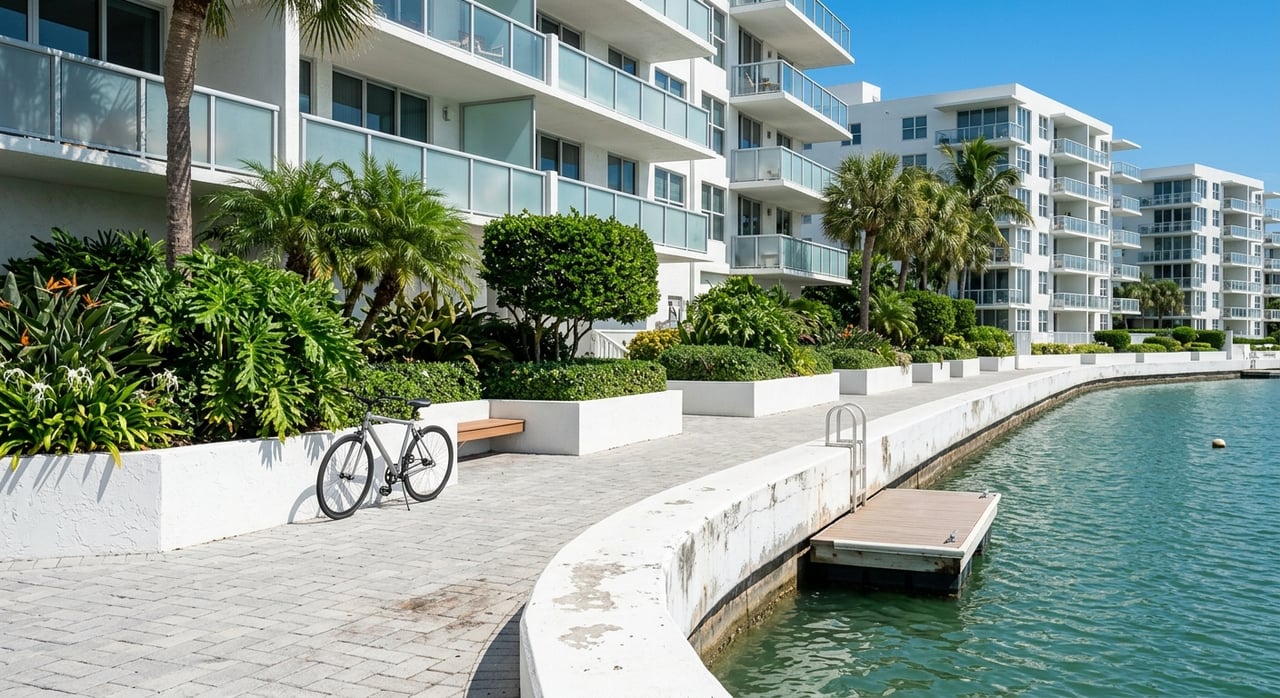
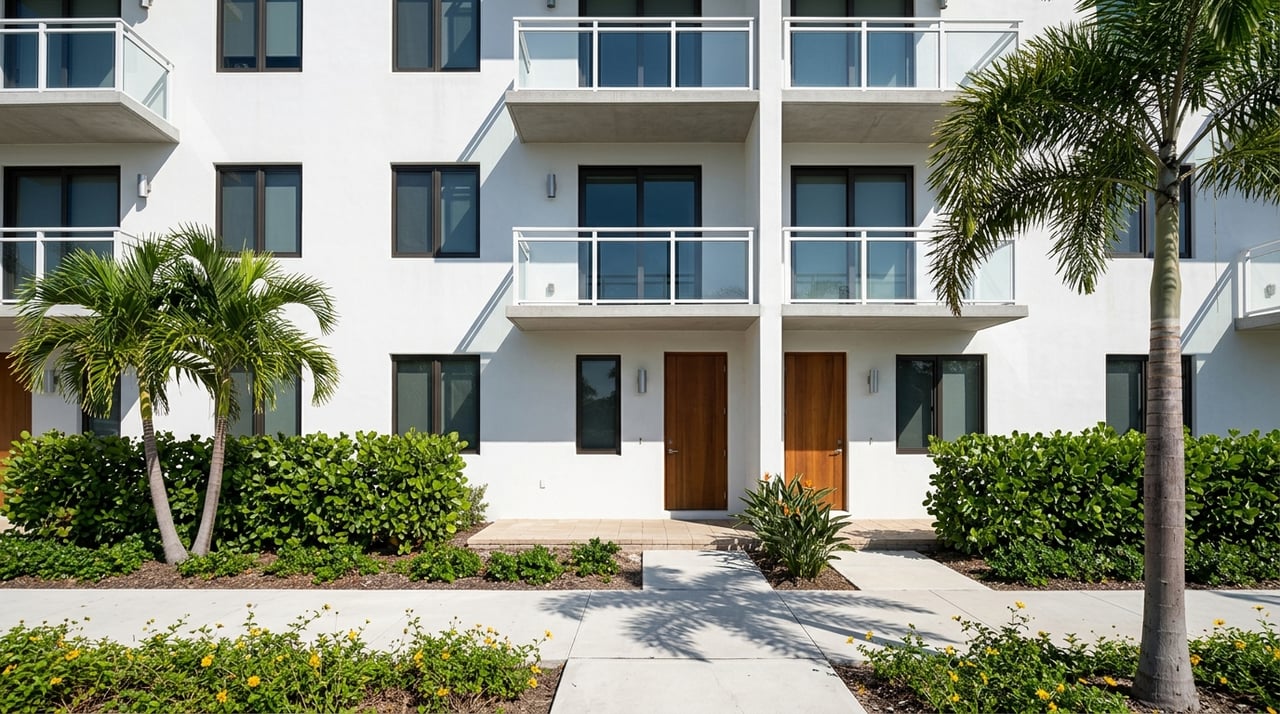
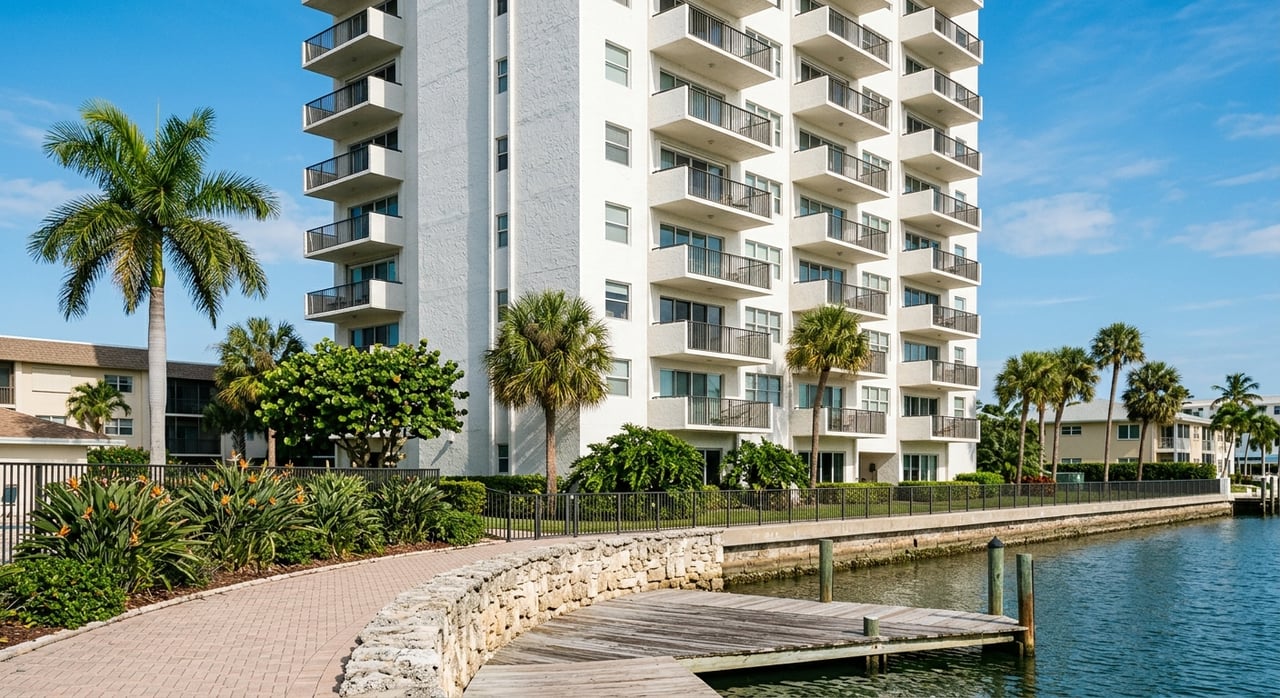
If you are starting your search, it is important to match your expectations to the local housing pattern. Planning documents for the area describe the beach and barrier-island section as being characterized by mid- and high-rise residential condominiums.
That matters because many buyers imagine a shoreline lined mostly with detached homes. In this part of Pompano Beach, the more common beachside inventory is condo-oriented, with commercial spaces, civic uses, parking areas, hotels, and mixed-use development also part of the landscape.
Older Buildings and Newer Activity
The city’s planning materials note that the barrier island was first developed in the 1950s and 1960s. As a result, many buildings date back to that era, even though the area has also seen a resurgence of private residential development.
For you as a buyer, that often means comparing different kinds of opportunities. Some properties may offer classic coastal locations and established building footprints, while others may reflect newer redevelopment activity or updated mixed-use surroundings.
Mainland Side vs Barrier Island
The mainland side of the beach corridor tells a different story. The East CRA plan describes the Atlantic Boulevard corridor as an older commercial strip with many outdated buildings, while also noting recent redevelopment and new residential buildings near US 1.
In simple terms, you should expect contrast. The barrier island tends to feel more residential and beach-focused, while the mainland approach can feel more commercial and in transition.
Practical Ownership Details to Know
Beachside living is appealing, but smart buyers also look at the practical side. In Pompano Beach, flood awareness, evacuation planning, and rental rules should all be on your checklist.
Flood Risk and Coastal Planning
The city says coastal flooding risk is higher east of A1A because of waves and storm surge. Its flood-information page also notes that more than 32% of buildings citywide are in a Special Flood Hazard Area under FEMA maps.
The city launched a flood-risk portal in 2024 to help residents, real estate professionals, and insurance professionals check flood zones and elevation certificates. If you are considering a condo or second home near the beach, this is one of the first practical items to review.
Evacuation Zones
Evacuation planning is especially important for barrier-island properties. The city states that Category 1 and 2 mandatory evacuations cover areas east of the Intracoastal Waterway, while Category 3 or higher evacuations cover areas east of US 1.
That does not mean beach ownership is a bad idea. It simply means you should go in with a clear understanding of local emergency planning, especially if the property will be used seasonally or as a second home.
Short-Term Rental Rules
If you are thinking about occasional rental income, make sure you understand the local rules before you buy. The city defines short-term rentals as stays of six months or less in a calendar year, and it says an annual permit is required to operate a short-term rental property.
That is an important detail for second-home buyers and out-of-area owners. A property that feels like a good fit for personal use may come with rules that affect how you plan to use it when you are away.
Is Beachside Pompano Right for You?
For many buyers, the appeal is easy to understand. You get public beach access, a well-known pier, dining and parks within close reach, local shuttle service, Water Taxi stops, and a shoreline that feels active without losing its coastal character.
The key is knowing what the lifestyle really includes. In Pompano Beach, beachside living often means condo-focused housing, managed parking, a walkable but mixed-use setting, and a need to think carefully about flood zones, evacuation plans, and property use rules.
If that balance sounds right for you, Pompano Beach can offer a practical and enjoyable way to live near the water. And if you want help comparing beachside options with the kind of clear, local guidance that makes the process easier, Steve Gray is ready to help.
FAQs
What is beachside living like in Pompano Beach?
- Beachside living in Pompano Beach centers on a three-mile shoreline with public beach access, the Fisher Family Pier, parks, restaurants, and a condo-heavy coastal housing mix.
What types of homes are common near Pompano Beach?
- Near the shoreline, the most common property type is mid- and high-rise residential condominiums, along with mixed-use spaces, hotels, and some commercial uses.
Is the public beach in Pompano Beach open year-round?
- Yes. The city states that the public beach is open 365 days a year, and the guarded swimming area operates daily from 9:00 a.m. to 4:45 p.m.
What amenities are available at Fisher Family Pier in Pompano Beach?
- The pier is open daily from 7:00 a.m. to 10:00 p.m. and includes a bait shop with food, beverages, bait, and rod rentals.
Do you need a fishing license at Fisher Family Pier in Pompano Beach?
- No. The city states that a Florida fishing license is not required to fish on the pier, although there is a three-rod maximum per person.
How do parking rules work near Pompano Beach?
- Beach parking is enforced 24/7 year-round, and no beach parking is allowed from 11:00 p.m. to 6:00 a.m.; the Pier Parking Garage offers public parking on levels 2 through 4.
Can you get around Pompano Beach without a car?
- You can handle some local trips without driving by using the free Pompano Circuit shuttle, Broward County Transit, Water Taxi service, and nearby regional transit like Tri-Rail.
What should buyers know about flood risk in Pompano Beach?
- The city says flood risk is higher east of A1A because of waves and storm surge, and more than 32% of buildings citywide are in a Special Flood Hazard Area.
What are the evacuation zones for beachside property in Pompano Beach?
- The city states that Category 1 and 2 mandatory evacuations apply east of the Intracoastal Waterway, while Category 3 or higher evacuations apply east of US 1.
Are short-term rentals allowed in Pompano Beach?
- Short-term rentals are allowed only if you follow city rules, including obtaining an annual permit for stays of six months or less in a calendar year.