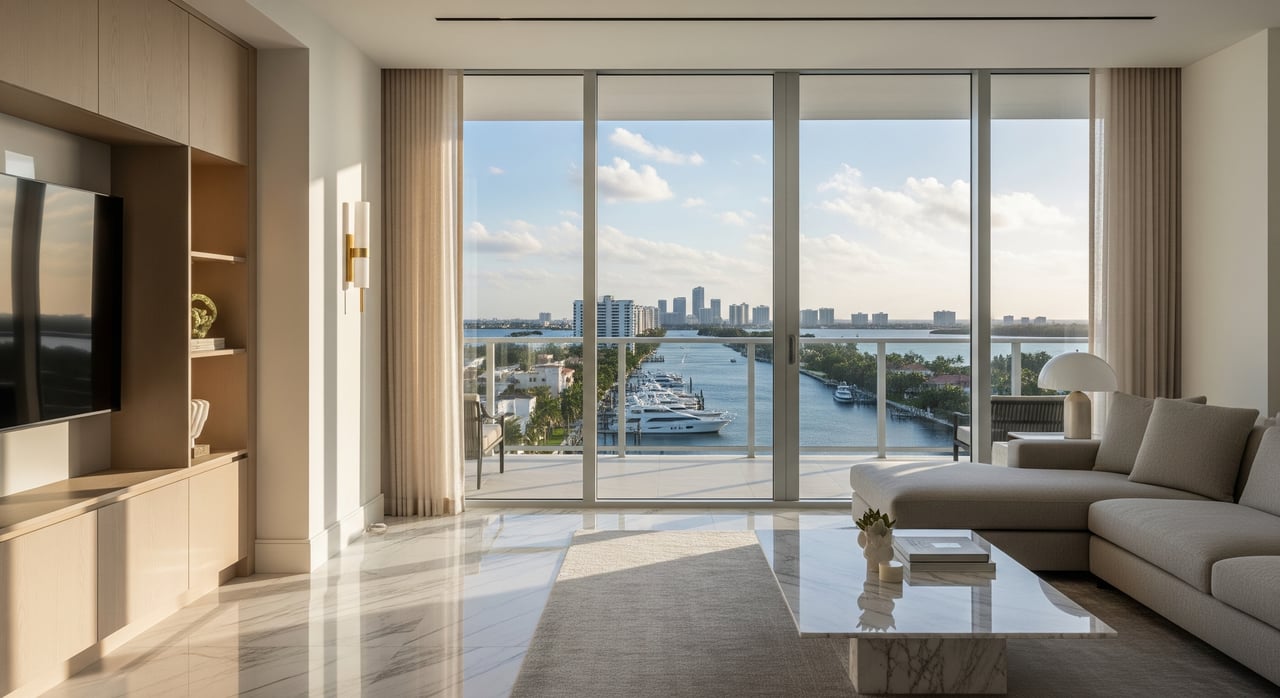
Thinking about buying at Coral Ridge Towers on the Galt Mile? You likely want a simple, reliable plan that respects your time and helps you avoid surprises. Buying in a coastal high‑rise means extra steps for insurance, building approvals, and documents, especially in Broward County. This guide gives you a clear roadmap from offer to closing, with tips for the board application, typical fees, timelines, and what to watch. Let’s dive in.
Why Coral Ridge Towers is unique
Coral Ridge Towers sits on Fort Lauderdale’s Galt Mile, a beachfront corridor lined with established high‑rises and walkable amenities. Coastal buildings often face higher operating costs due to wind and flood risk, plus increased attention on building inspections and reserves since 2021. That means the quality of the association’s financials and maintenance plan directly affects your budget and future resale. Understanding those factors up front helps you buy with confidence.
Step-by-step buying roadmap
1) Pre-offer due diligence
- Get pre-approval from your lender if you plan to finance.
- Review listing details and request basic association info early. Focus on occupancy and any leasing rules that could affect your plans.
- Ask the seller or management about access to governing documents and recent budgets so you can plan your timelines.
2) Make your offer and sign the contract
- Include standard contingencies for inspection and financing.
- Add a contingency that you can review and accept the association’s documents and approvals.
- Set realistic dates that allow time for the association’s processing and any interview.
3) Inspections and escrow
- Schedule a general home inspection.
- Add insurance-related checks that are common in Florida, such as wind mitigation and four-point inspections, and consider termite or engineer inspections if needed.
- Keep your deposit timelines and contingency dates on track.
4) Request key association documents
- Ask for the resale certificate and estoppel early, since they outline current dues, special assessments, budgets, insurance, and any transfer fees.
- Request the declaration, bylaws, rules and regulations, current budget, reserve information, recent meeting minutes, insurance certificates, and any engineering or structural reports.
5) Complete the association application
- Expect to provide ID, a full credit report, proof of funds, recent income documents, employment verification, references, and consent for a background check.
- For financed purchases, include your lender’s contact and loan approval details.
- Pay the required application and background fees and sign the acknowledgement of rules.
6) Prepare for the board review or interview
- Some boards interview buyers in person or by video. Others review the package without an interview.
- Typical topics include your intended use, number of occupants, ability to pay dues, and agreement to follow rules.
- Be concise, honest, and polite. Have your documents and a short summary of your plans ready.
7) Board decision and final approval
- Outcomes include approval, conditional approval, or denial.
- Address any conditions quickly and obtain written approval before closing.
8) Close and record the deed
- Finalize your loan and title work, then confirm all association fees and dues are paid through closing.
- Make sure management has your contact information and any access credentials.
Timelines to expect
- Resale certificate and estoppel: often delivered within 10 business days of a written request once fees are paid.
- Association processing and board review: typically 14 to 60 calendar days. Thirty days is common, but some boards meet less frequently.
- Contract to closing: often 30 to 60 days, depending on financing, inspections, document turnarounds, and the board schedule.
Build buffer time into your contract dates, especially if you live out of the area or if the board meets monthly.
What to include in your application
Most buildings require a thorough buyer package. You should be ready with:
- Government ID
- Full credit report
- Proof of funds, plus down payment and closing funds if financing
- Two years of tax returns and recent pay stubs or other income proof
- Employment verification or contact for your employer
- Personal and prior housing references
- Background check authorization
- Signed acknowledgement of rules and bylaws
- Application and background-check fees
- Lender contact and approval letter for financed buyers
Common board interview questions
- Why are you purchasing and how will you use the unit?
- Will you rent, and if so, how often and under what rules?
- How many occupants will live in the unit?
- How will you handle monthly dues and any assessments?
- Do you understand the building’s policies on pets, smoking, and other rules?
Keep answers straightforward. If you are out of the area, share your plan for a local point of contact and property care.
Documents and financial due diligence
Request and review these items early so you can make informed decisions:
- Resale certificate and estoppel letter
- Declaration, bylaws, and rules and regulations
- Current operating budget and recent financial statements
- Reserve information and the most recent meeting minutes, ideally 12 to 24 months
- Insurance certificate for the master policy, including wind and flood
- Any disclosures on pending litigation
- Building inspection or engineering reports and recertification status if available
Pay close attention to reserves, insurance deductibles, and any planned repairs. These items drive your monthly costs and risk profile.
Typical fees and closing costs
Amounts vary by building and unit size, so confirm with the association and your title company. Buyers often encounter:
- Application fee, usually 50 to 500 dollars
- Background or credit check fee, usually 25 to 150 dollars
- Resale certificate or estoppel fee, usually 100 to 400 dollars
- Transfer or capital contribution fee, sometimes a flat fee or percentage per governing documents
- Monthly association dues, which can range from a few hundred to well over 1,000 dollars per month on the Galt Mile
- Special assessments, which can be unpredictable, especially in older coastal buildings
- Title, recording, and mortgage-related charges, including state documentary stamp taxes
Coastal risk, insurance, and building health
In a beachfront corridor, insurance and structural items matter. Ask about:
- Flood zone status and flood insurance needs
- Windstorm coverage, master policy deductibles, and how deductibles are apportioned to owners
- Reserve funding levels and whether the association is building adequate reserves
- Structural inspections, recertification status, and any scheduled repairs
- Active or threatened litigation that could affect finances or insurability
Well-funded reserves and a clear repair plan are positive signs. Low reserves, repeated special assessments, or unresolved structural issues are red flags you should investigate.
Guidance for seniors
If you are downsizing or prioritizing a lower-maintenance lifestyle, consider the following:
- Elevator reliability and emergency procedures, plus proximity to healthcare
- Rules for adding accessibility features inside the unit, such as grab bars
- Clear documentation of income or assets that shows the ability to cover dues and assessments
- Whether any age restrictions apply, and what that means for ownership and guests
These checks support long-term comfort and predictability.
Guidance for out-of-area buyers
Buying from a distance is common on the Galt Mile. To keep things smooth:
- Confirm whether a virtual interview is acceptable and plan for notarizations or power of attorney if needed
- Set up a local property manager or trusted contact, and provide details to the association
- Build a storm plan, including how to secure your unit and who will handle checks after severe weather
- Coordinate with the title company for remote closing and utility start dates
A proactive plan saves time and reduces stress.
Red flags and key questions
Investigate these items before you finalize your decision:
- Low or negative reserves or a pattern of special assessments
- Active litigation against the association
- Deferred maintenance, visible cracking, or water intrusion
- Insurance challenges, such as very high deductibles or coverage gaps
- Unclear leasing rules that could affect your plans
- Frequent board or management turnover that may signal instability
Ask management directly:
- What are the current monthly dues and what do they cover?
- Are special assessments planned or under discussion? If yes, how much and when?
- What is the status of any litigation?
- What are the occupancy and leasing requirements?
- When were the last reserve study and structural reviews completed, and what is planned next?
- What are the master insurance coverages, and what is a typical owner’s deductible exposure?
Financing and lender considerations
If you are using a mortgage, give your lender time to review the association’s documents. Lenders may ask for up to two years of financials and proof of adequate reserves. If you plan to use FHA or VA loans, confirm whether the building meets the program’s requirements or if your lender can process a project review. Some lenders apply extra requirements for coastal properties, such as larger down payments or additional reserves.
Buyer checklist
Use this simple checklist to stay on track:
- Before offer: get pre-approval and request basic association info
- After contract: request the resale certificate and estoppel, then review budgets, reserves, minutes, and insurance
- Submit your application package and fees immediately, and schedule inspections
- Prepare for a possible board interview and gather proof of funds and loan commitment
- Verify flood zone and obtain insurance quotes
- Confirm any transfer fees and closing steps with your title company
- Obtain written board approval, a final estoppel showing no arrears, then close and record
The bottom line
Buying at Coral Ridge Towers is very doable with the right plan. Give yourself time for document delivery and board review, submit a complete application early, and focus on the association’s financial health, reserves, insurance, and structural status. If you are a senior or buying from out of state, add a local point of contact and a clear storm plan to your checklist.
Ready for a clear, low-stress path to ownership? Schedule a free consultation with Steve Gray, a resident agent with local board experience who specializes in Galt Mile transactions.
FAQs
How long does it take to buy at Coral Ridge Towers?
- Many buyers close in 30 to 60 days, which allows time for inspections, document delivery, and a board review period that often runs 14 to 60 days.
What documents should I request before I commit to buy?
- Ask for the resale certificate and estoppel, the declaration and rules, current budget and financials, recent minutes, reserve information, insurance certificates, and any engineering or inspection reports.
What fees should I budget for at Coral Ridge Towers?
- Expect application and background fees, resale or estoppel fees, possible transfer or capital contribution fees, monthly dues, potential special assessments, and standard title and recording charges.
What happens during a board interview for buyers?
- Interviews, when required, are often 15 to 30 minutes and cover intended use, occupants, ability to pay dues, and agreement to follow community rules.
What should seniors consider when buying in a coastal high-rise?
- Review elevator reliability, emergency procedures, the rules for accessibility updates inside a unit, proof of income or assets, and whether any age-related rules apply.
Can I buy from out of state and close remotely?
- Yes, many buyers do, but you should confirm the interview format, arrange notarizations or a power of attorney as needed, coordinate with the title company, and designate a local point of contact for the association.